

Housing and structure

Our industrial design and mechanical engineering team designs the chassis, enclosure, and physical interaction of the instrument. We design for ergonomics, manufacturability, serviceability, and bench presence so the housing supports the engineering inside it and the brand it carries.

Our Approach

Housing and structure is where industrial design meets mechanical engineering. The chassis carries every other subsystem and decides whether they hold alignment over thermal, vibration, and shipping. The housing is the first thing a user touches and the first thing a buyer evaluates: the brand impression a clinician forms in the first three seconds of seeing the instrument.

We design housing and structure for ergonomics, manufacturability, serviceability, and the visual language the product is meant to live in. The work spans industrial design, sheet-metal and machined chassis, plastics, and the access strategies a service engineer will eventually rely on.

Why Invetech

[XX]+
instruments brought to commercial bench presence
[XX]
industrial design awards
[XX]+
years of medical-device-grade industrial design
An instrument’s chassis carries every other subsystem and every other promise the product makes. We design housing and structure with the industrial design, mechanical engineering, and service-engineering teams in the same conversation, so the bench presence, the alignment budget, and the service interval are decided together. Not designed in isolation and reconciled later.

Areas of Expertise

Industrial Design
Visual and physical design language that signals the product’s positioning before the user reads a word.
Mechanical Chassis
Sheet metal, machined, and welded structures designed to hold alignment under thermal, vibration, and shipping conditions.
Materials & Finishes
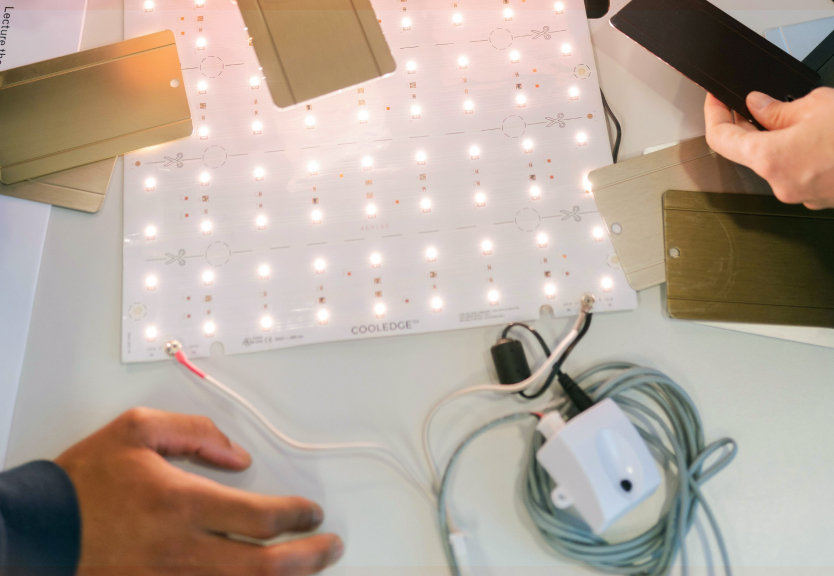
Polymers, metals, glass, and surface treatments, chosen for cleanability, chemical resistance, durability, and visual identity.
Ergonomics & Serviceability
Operator and service-engineer ergonomics, reach, and access, designed for the body that actually uses the instrument.
Tooling Strategy
Tooling and assembly strategy across volume tiers, from early prototypes through volume manufacture without redesigning the chassis at scale.

Client Outcomes

Product Strategy

Explore strategic possibilities, define a purposeful vision and a path to realization

  • Worfklow Transformation
  • Co-creation Workshops
  • Product & Feature Roadmapping


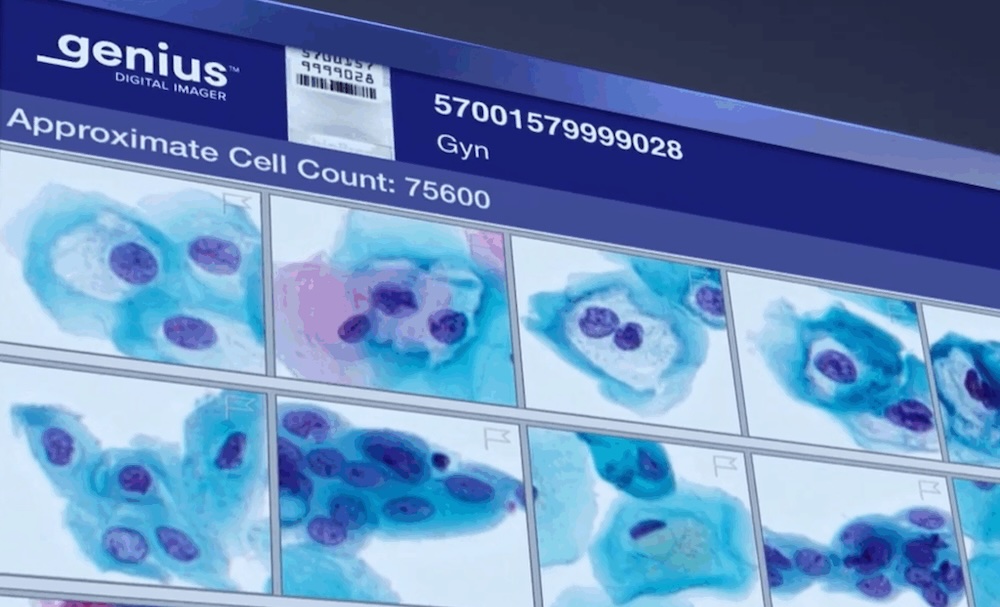
We partnered with Hologic to reimagine cervical cancer diagnosis user experience with an Al assisted digital cytology workflow


Image courtesy of HOLOGIC, Inc. and affiliates
Research & Human Factors

Uncover unmet user needs and assess usability within healthcare environments

  • Discovery Research
  • Usability Evaluations
  • Human Factors Engineering

Global molecular diagnostics client

We helped a health-tech business to iteratively design and test usability of a Point of Care device for use in multiple US healthcare settings.

Concept Visualizations

Visualize ideas to inspire and align your stakeholders

  • Digital Design
  • Industrial Design
  • Virtual Reality Experiences


Design Challenge

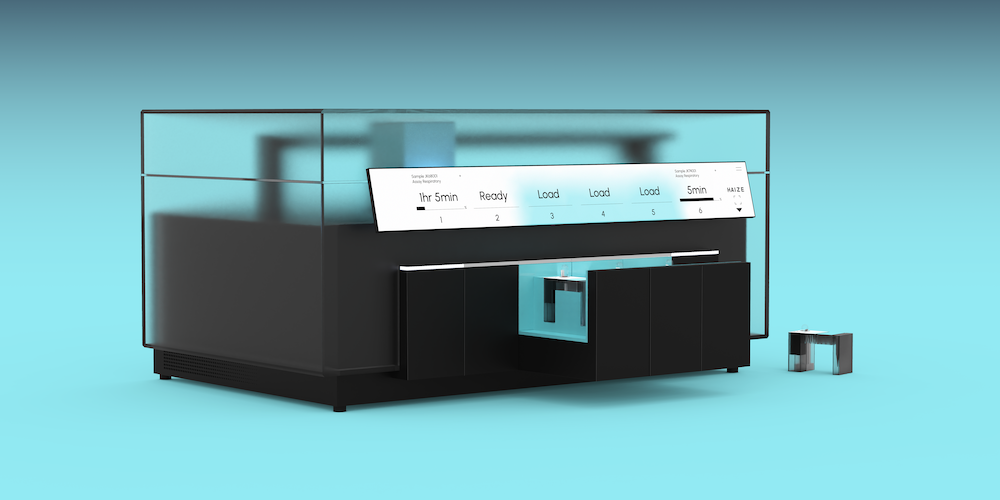
We imagined the future vision of a 2030 sepsis diagnosis laboratory

Product Design & Implementation

Design and deliver physical and digital offerings to your customers

  • Interaction Design
  • UI/UX (User Experience)
  • Styling


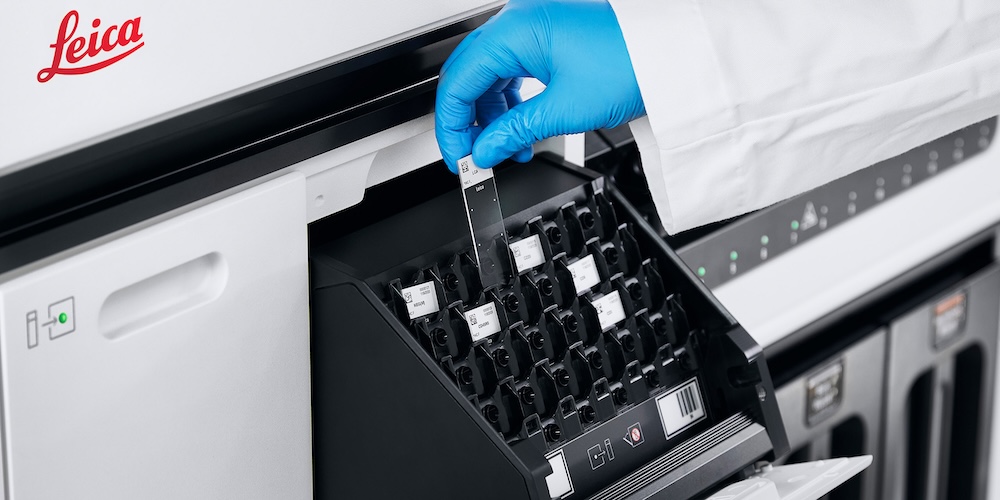
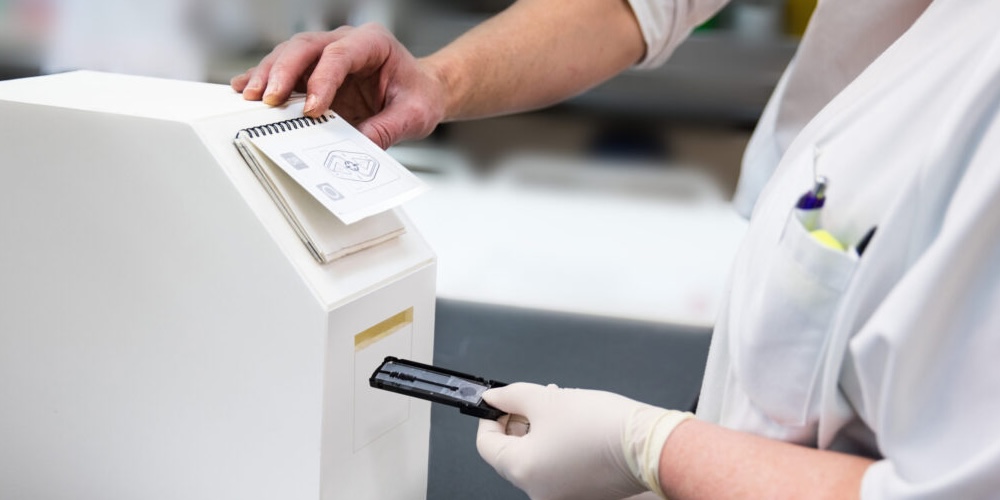
We worked together with Leica Biosystems to desian, develop and realize the physical interactions and styling of the BOND-PRIME
Have an enclosure we can help you design?

Send us the form factor, the deployment environment, and the service expectation. We’ll show you where the chassis decisions actually matter.