

Systems engineering
Our systems engineering team translates user needs into requirements, architecture, and a verified end-to-end system. We use the V-model to maintain traceability between every requirement and every test, and we manage the interfaces between optics, motion, fluidics, software, and consumables so the subsystems add up to a coherent product.
Our Approach
Systems engineering is the discipline of holding a thousand pieces of a complex instrument in coherent relationship. We translate user needs into system requirements, system requirements into architecture, architecture into subsystem specifications. Then back the other way through integration, verification, and validation.
Done well, systems engineering is the connective tissue between every other capability on this site. It’s how the optical bench, the fluidic cartridge, the motion stage, and the control software end up being one product instead of five.
Why Invetech
Most systems engineering practices live in software-only or hardware-only environments. Ours sits between optics, motion, fluidics, software, and consumables, so the interface specs aren’t theoretical. They’re written by the people who own both sides of every one. Hazard analysis, requirements traceability, and verification planning are built from day one because they have to survive an audit on day one thousand.0
Areas of Expertise
User-need elicitation, requirement decomposition, and traceability, managed in toolchains that survive an audit.
System architecture and structured trade-offs across cost, performance, manufacturability, and risk, documented so the rationale survives the team.
ICDs and interface management across hardware, firmware, software, and consumable boundaries: the seams where most integration pain lives.
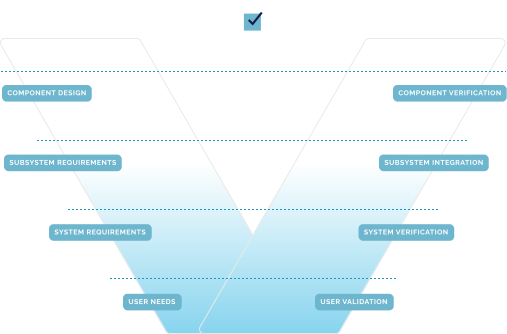
V&V planning aligned to the V-model, including protocol authoring, execution, and the documentation an FDA submission expects.
FMEA, hazard analysis, and safety case development per ISO 14971, integrated with design rather than appended after it.
The V-model: every right side traces back to a left.
Client Outcomes
Explore strategic possibilities, define a purposeful vision and a path to realization
- Worfklow Transformation
- Co-creation Workshops
- Product & Feature Roadmapping
![]()
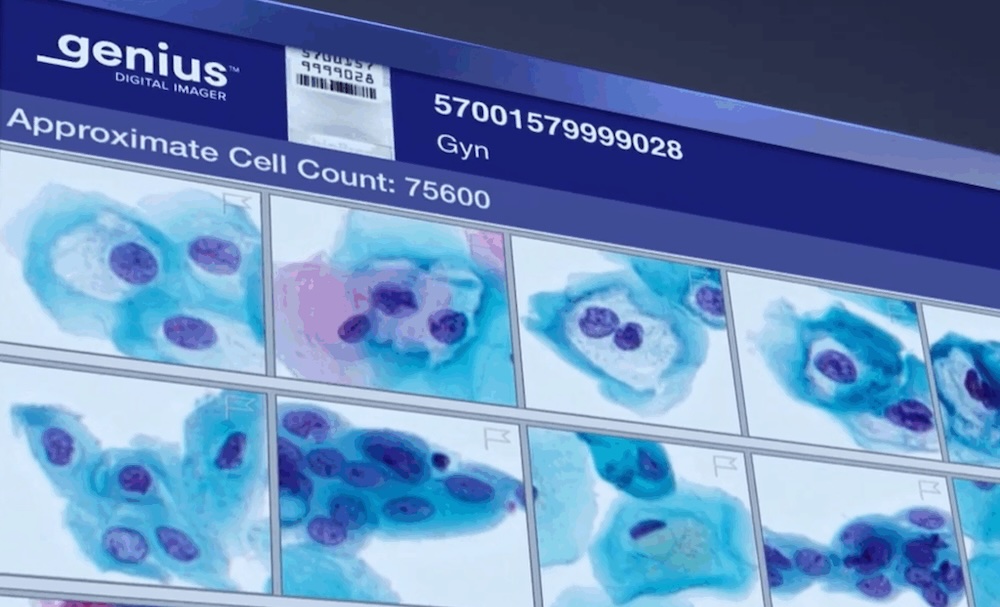
We partnered with Hologic to reimagine cervical cancer diagnosis user experience with an Al assisted digital cytology workflow
Image courtesy of HOLOGIC, Inc. and affiliates
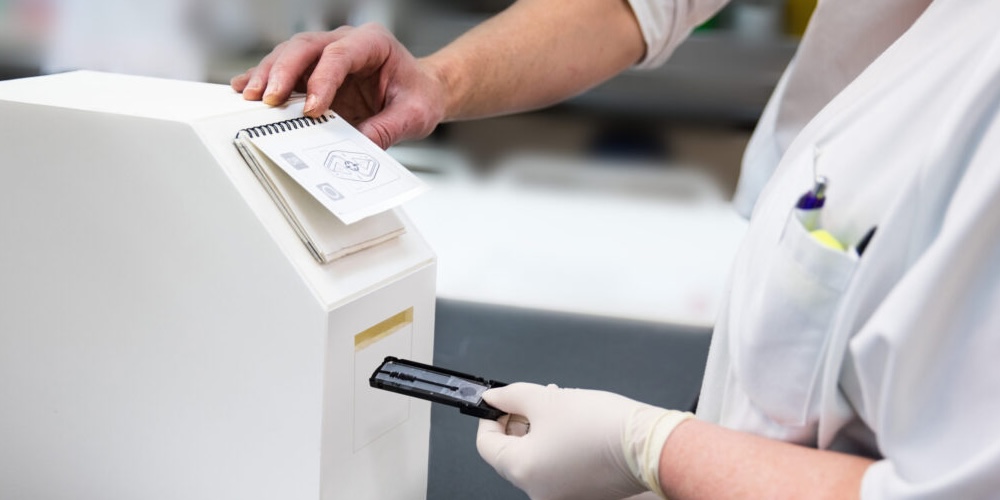
Uncover unmet user needs and assess usability within healthcare environments
- Discovery Research
- Usability Evaluations
- Human Factors Engineering
Global molecular diagnostics client
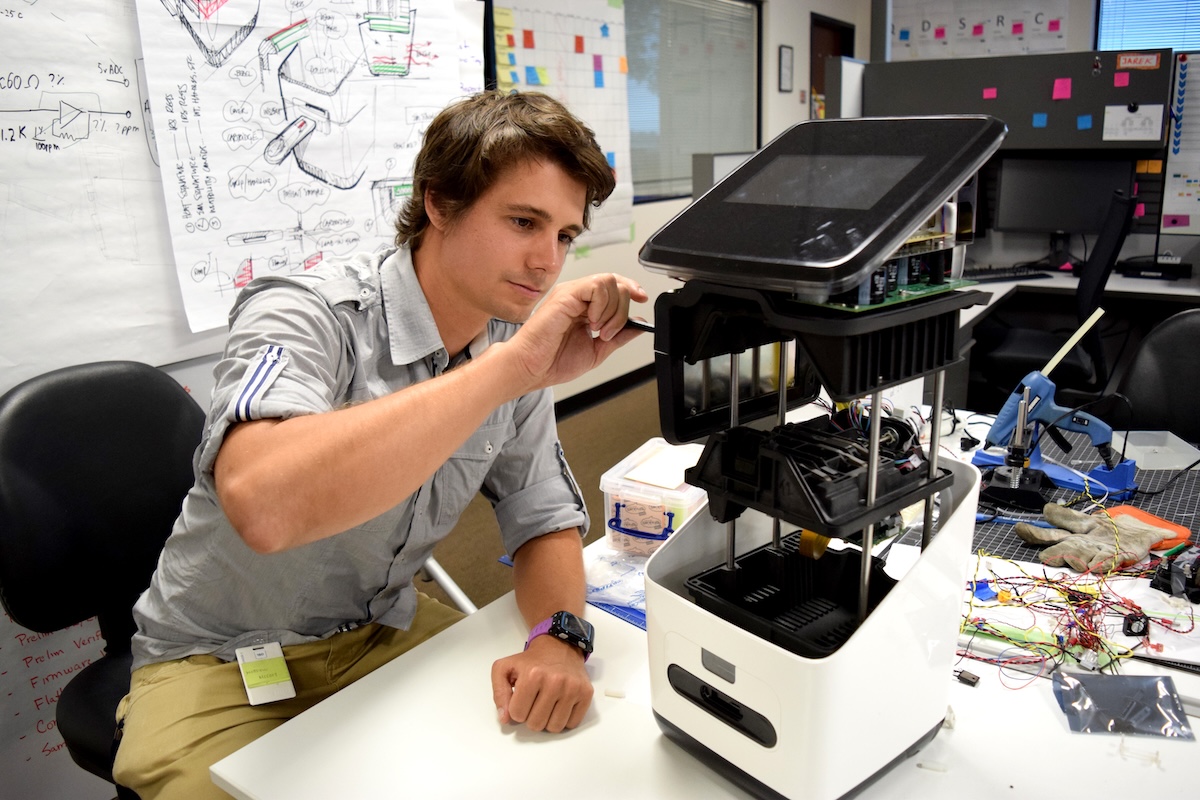
We helped a health-tech business to iteratively design and test usability of a Point of Care device for use in multiple US healthcare settings.
Visualize ideas to inspire and align your stakeholders
- Digital Design
- Industrial Design
- Virtual Reality Experiences
Design Challenge
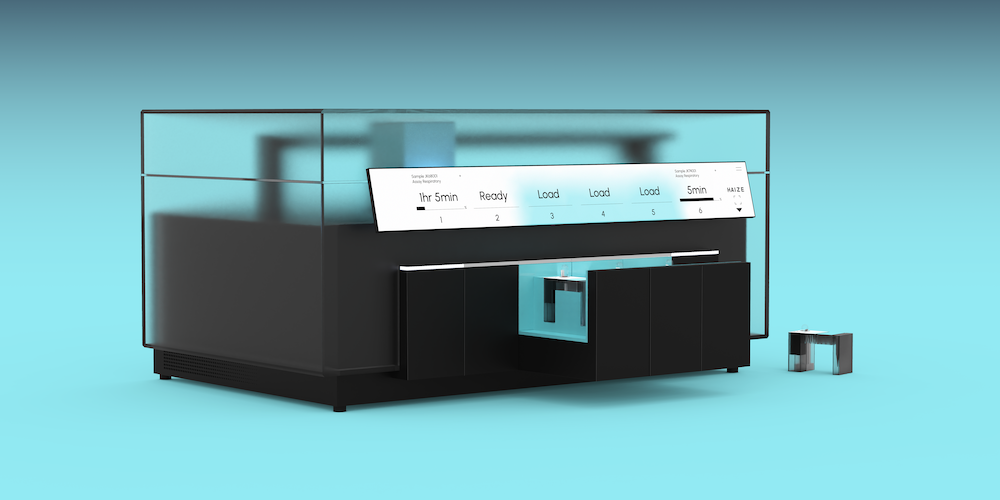
We imagined the future vision of a 2030 sepsis diagnosis laboratory
Design and deliver physical and digital offerings to your customers
- Interaction Design
- UI/UX (User Experience)
- Styling
![]()
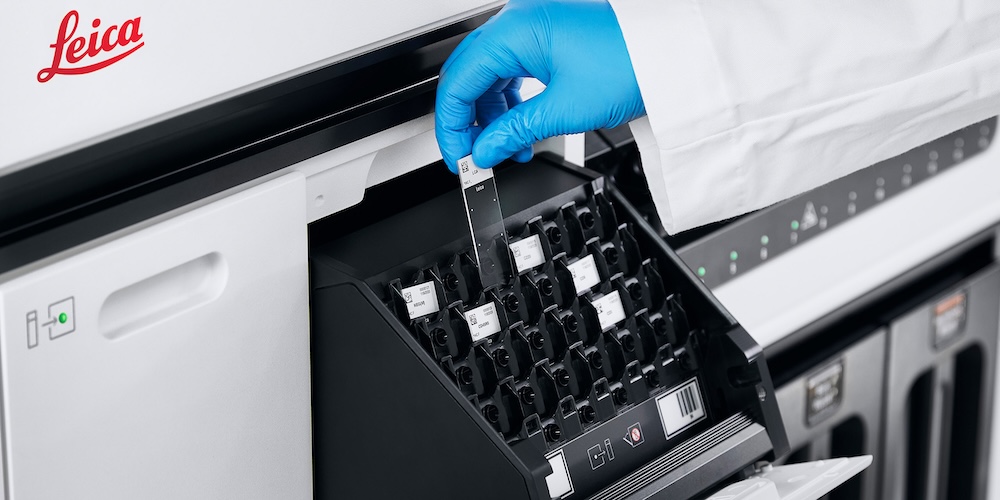
We worked together with Leica Biosystems to desian, develop and realize the physical interactions and styling of the BOND-PRIME
Related Capabilities
Applications Labs
Value Analysis & Value Engineering
Design for Manufacture & Assembly
Regulatory Ready
Electronics
Experience Design
Software
Strategic Program Management
Temperature Control
Product Lifecycle Management
Consumable Design
Fluidics
Robotics & Motion
Optics
Have a complex system we can help you architect?
Tell us what you’re trying to build. We’ll start with the requirements that are easiest to get wrong.